

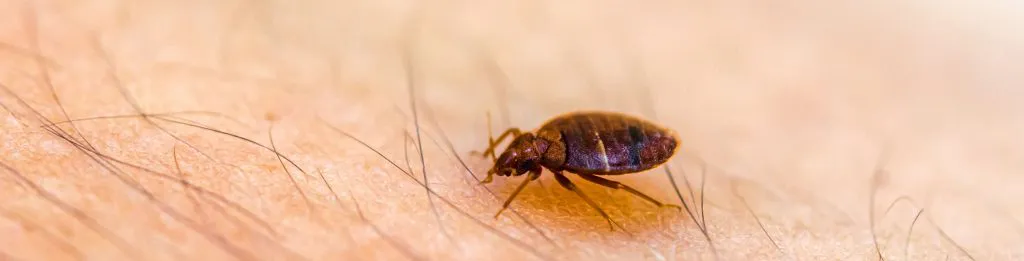
Just a few days back from a wonderful vacation, but are you now covered in ugly bumps? This could be caused by the bedbug, but fortunately recognizing a bedbug bite is not very difficult. We tell you all about bedbugs, bedbug symptoms and how to treat bites. Did you know that bedbugs bite mainly on soft spots in your skin?
Where in the house do you encounter bedbugs?
You usually get bedbug bites when you find yourself in and around your bed. Bed bugs emerge when you sleep and they drink blood, which is their main food. You may not notice you are being bitten because you are usually bitten when you are sleeping. A bedbug bite often feels like a mosquito bite. When a bed bug bites, the insect injects an anesthetic into the skin so you don’t feel the blood drink. This drug also causes itching. This causes your body to send antibodies to the site of the bite, leading to bumps and itching.
Where do bedbugs bite you?
Bed bugs bite you everywhere on your body, but especially where your body touches the mattress. In fact, they bite where the skin is softest, such as on your stomach, hips, legs, buttocks, back and even in the hollows of your scalp. If you move while you sleep, the bed bugs get distracted while eating and will bite you again.
How can you recognize a bedbug bite?
A bedbug bite can be recognized by red, itchy bumps with possibly red skin around the bumps. However, it is important to note that not all red, itchy bumps are caused by bedbugs. For example, inflamed skin, allergic reactions to mosquito bites, medications and other insects can also cause red bumps. Therefore, you should not immediately blame bedbugs when you have small red bumps on your skin, despite the fact that these are common symptoms in bedbugs.
How do you recognize different insect bites?
It is extremely difficult to distinguish bedbugs from mosquito or flea bites because the symptoms associated with the bite are almost the same: red bumps and intense itching. How do you recognize a bedbug bump, mosquito bite or flea bite? Do you see several bumps in a row? This is how you can recognize the “dotted line pattern” of bedbugs. The reason may be that the bed bug wanted to “bite” repeatedly. If you move suddenly, the animal “bites” one or more times next to it, whereas a mosquito usually bites only once. A small red bump develops at the site of the bite, just like a mosquito bite.
What are symptoms of a bed bug bite?
Some people react more violently to an insect bite than others. They get larger bumps, redness on the skin around the bites and more itching. There can also be an allergic reaction to an insect bite, causing the skin to look blotchy. By the way, there are some people who don’t get any bumps at all and thus don’t even know they have been bitten by a bedbug.
What to do about bedbug bites?
Fortunately, a bedbug bite is not dangerous. The insects do not carry viruses, bacteria or parasites that can be transmitted to humans or pets. However, you can get a bacterial infection from intense itching and scratching your skin. So the advice is to try not to scratch. If the itching is really unbearable, the doctor may prescribe an anti-itch drug. Other than that, there is not much you can do about treating bedbug bites. Red pimples disappear by themselves, provided you are not bitten by the insects every night.
Is a bedbug bite dangerous?
Bites from bedbugs cause only annoying red bumps and itching and do not cause disease. However, if you have a severe (allergic) reaction where red spots and pimples swell abnormally and you experience above-average itching, contact your doctor for proper treatment of the bite! Then keep in mind right away that you can also be allergic to mosquito bites.
What attracts bedbugs?
A misconception is that bed bugs and poor hygiene are related. They can occur even in the cleanest hotel rooms, as long as the guests bring them, because you yourself are an attractive victim for a bed bug. Bed bugs feed on blood and therefore always look for a place where they can regularly find a victim to suck blood from. Humans are therefore cause number one in spreading bed bugs. We unconsciously carry them with us in our travel bags, suitcases, clothes and used items. So a wall bug control is definitely recommended! Read more about what to do about bedbugs here.
What do bedbugs look like?
An adult bedbug is not as small as you might think. They are about half an inch to a maximum of an inch in size. The oval, flat and brown appearance is also typical of the bedbug. The same characteristics apply to young specimens, except they are transparent in color making them bright red when they have just sucked blood. Unfortunately, during a bed bug infestation, you will also encounter white / transparent bed bug eggs. Furthermore, they are oval and about 1 millimeter in size. A bed bug infestation can also be recognized by its smell. Then it smells like sweet almond odor in the infested room.
Do bedbugs go away on their own?
No, unfortunately no. In fact, without fresh blood, they can live for about 3-6 months. So if you decide not to use the infested bedroom for a long time, the insects will eventually seek another bedroom. They have a strong survival instinct that allows bed bugs to move from room to room through holes, cracks and even hollow walls.
In short, insects should always be controlled and these little wall lice and their eggs must be destroyed to the last bit to get rid of bed bugs for good. For this you can turn to OFS Services, call us to make an appointment or for advice! Do you still suffer from other pests? Then read our other tips on pest control.
